
English| EUR
Suggested for you
More currencies
Choose a language
The Philippine Eagle Center in Davao City charges a single conservation fee that supports one of the world's most urgent raptor recovery programs. Foreign visitors pay 300 PHP per adult, a rate set to fund habitat research, veterinary care, and breeding efforts for critically endangered Philippine eagles. The fee structure is straightforward—no tiered tickets, no upsells—and the sanctuary operates with transparency about where visitor contributions go.
Quick answer
Foreign adult visitors pay 300 PHP as the Philippine Eagle Center entrance fee, collected as a conservation contribution. The rate applies year-round and covers admission to all open-air aviaries, the breeding center observation areas, and interpretive trails. Children, students with valid ID, and Filipino nationals qualify for reduced rates, though specific figures are confirmed at the gate. Payment in cash is recommended, as card facilities may not always be operational.
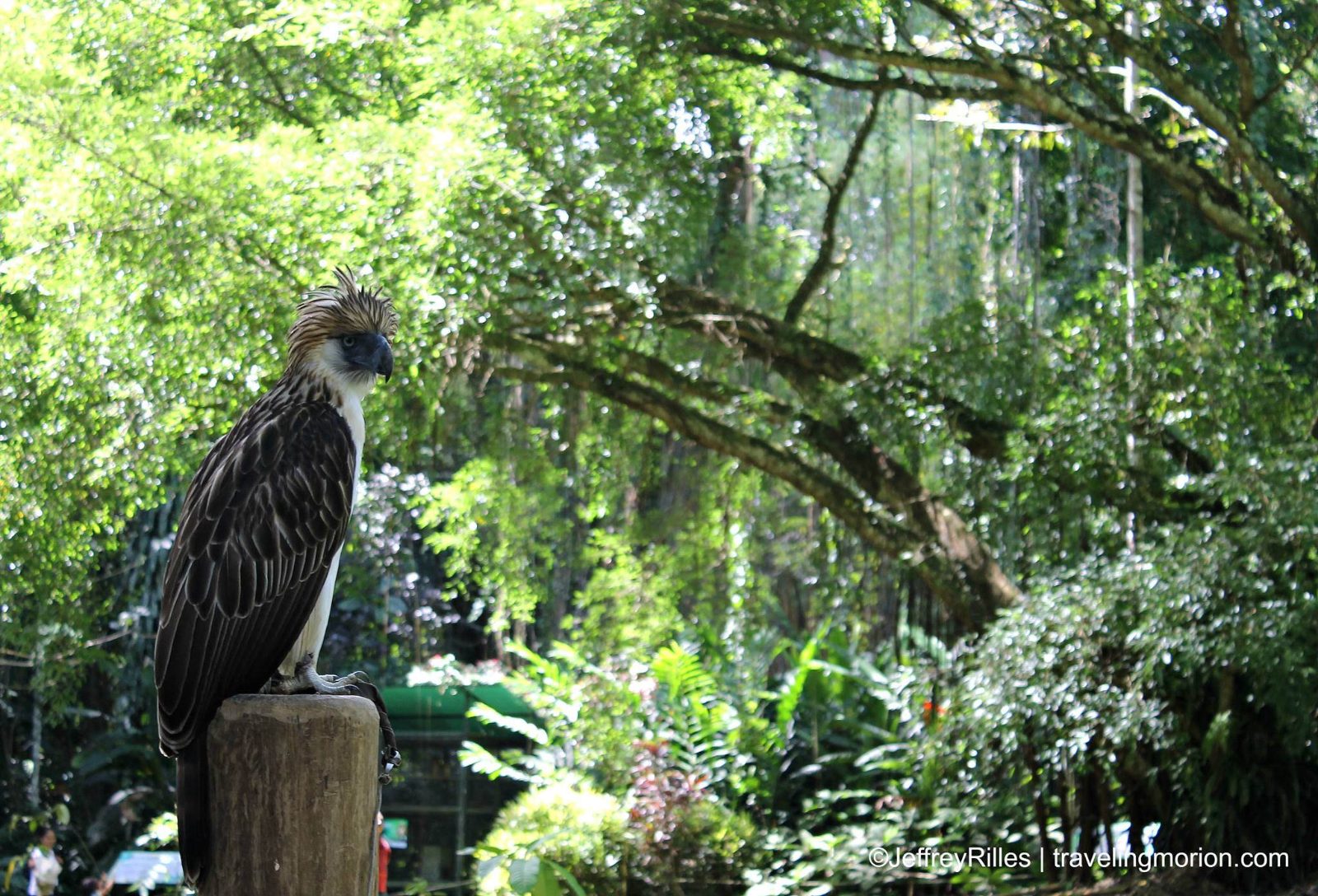
The Philippine Eagle Foundation receives no government subsidy—visitor fees form the backbone of its operating budget. Every peso collected at the gate in Malagos-Baguio District finances veterinary interventions, nest monitoring in remaining Mindanao forests, and the hand-rearing of chicks too vulnerable to survive in compromised habitats. The 300 PHP conservation fee for foreign adults reflects the true cost of maintaining a facility where seventeen critically endangered raptors live under round-the-clock observation. Admission grants access to the center's network of flight aviaries, each designed to simulate montane forest canopy layers where Philippine eagles hunt. Visitors walk shaded trails connecting enclosures housing Pag-asa—the first eagle hatched and raised in captivity—and younger birds undergoing pre-release conditioning. Interpretive signage explains why this species, with a two-year breeding cycle and dependence on old-growth dipterocarp forest, faces extinction pressure unmatched by any other raptor. The center does not charge separately for guided commentary; staff-led briefings occur hourly during peak morning visiting windows and are included in the base rate. Payment logistics remain low-tech by design. The admissions kiosk near the Purok 5 entrance accepts Philippine pesos in cash; small bills expedite processing during weekend rushes when school groups and domestic tour buses converge. ATMs are sparse along the Baguio District road, so visitors arriving from central Davao should withdraw funds before the climb. The foundation occasionally pilots mobile payment options, but signal inconsistency in the upland location makes cash the reliable standard. The Philippine Eagle Center entrance fee structure has held steady since 2019, a deliberate choice to keep the sanctuary accessible while foreign donations fluctuate. On weekdays outside Philippine school holidays, the fee covers an uncrowded experience—morning arrivals often have entire aviaries to themselves, with only the calls of resident hornbills and the rustle of eagle wings breaking the silence. That solitude, and the knowledge that your payment funds fieldwork tracking wild breeding pairs in the Kitanglad and Apo ranges, gives the transaction weight beyond a simple ticket purchase.
“Every peso collected at the gate finances veterinary interventions, nest monitoring in remaining Mindanao forests, and the hand-rearing of chicks too vulnerable to survive in compromised habitats.”
The Philippine Eagle Center operates on a consistent daily schedule throughout the week.
The best arrival window is 08:00–11:00. During these hours, cooler weather prevails and the eagles are typically more active during morning feeding.
—
Quiet atmosphere allows for better wildlife observation opportunities.
—
Expect higher visitor volume and more noise near enclosures.
Warmer, less rain
Clearer skies improve visibility, though it is warmer.
Verdict: For the best experience, plan your visit for a weekday morning between 08:00 and 11:00.
The Philippine Eagle Center is located in the Malagos-Baguio District, approximately 30 to 45 kilometers from Davao City proper. The most direct approach is via private vehicle or hired transport traveling along the Davao-Bukidnon Highway.
Take a bus bound for Calinan from the Annil Terminal near Bangkerohan Market, then transfer to a habal-habal motorcycle to reach the center.
Direct hire from Davao City proper to Purok 5, Malagos-Baguio District.
Drive via Davao-Bukidnon Highway and turn onto the Calinan-Baguio road following signs for Malagos.
If arriving by public transport, confirm with your driver that they are proceeding to the specific Malagos junction to minimize walking distance to the entrance.
The Philippine Eagle Center maintains strict protocols to protect resident eagles and preserve the sanctuary environment. Visitors who follow these guidelines help ensure the center's conservation work continues effectively.
Everything you need to know about philippine eagle center entrance fee
The Philippine Eagle Center entrance fee is set at 300 PHP as a conservation fee for each foreign adult visitor. This contribution supports the ongoing efforts of the foundation to protect the endangered raptors and their habitat. Visitors are encouraged to check the official website for any updates regarding admission policies before traveling.
While walk-ins are often accommodated, visitors can coordinate their trip through the official site at https://www.philippineeaglefoundation.org to ensure a smooth entry. Planning ahead helps manage the number of guests within the sanctuary grounds at any given time. This site provides the necessary details for organized group visits as well.
Current pricing policies focus on the standard conservation fee for foreign guests. Please verify specific local or student rates directly via the official foundation website when planning your arrival. We do not process direct bookings or offer price tiers beyond the standard institutional fee.
The best arrival window is between 08:00 and 11:00 to experience cooler weather and witness the eagles during their active feeding hours. Arriving early helps avoid the midday heat and allows for a more peaceful observation of the birds. This timing ensures you see the raptors while they are most energetic.
The facility is open daily from Monday through Sunday. Operating hours are strictly from 08:00 to 16:30 for all visitors. Please plan your schedule to ensure you have enough time to explore the grounds before closing.
The center is located at Purok 5, Malagos-Baguio District, Davao City. You can reach the location via private vehicle or public transport heading toward the Malagos area. For specific navigation or transport inquiries, you may call their office at +63 917 708 9084.
Respect the habitat by maintaining quiet and following all posted signage throughout the forest enclosure. Photography is permitted, but avoid using flash to ensure the safety and comfort of the resident raptors. Following these simple guidelines helps preserve the environment for the wildlife residing in this important Mindanao landmark.