8 hr
Davao City Explorer with Philippine Eagle Center
Immerse yourself in Mindanao's culture, wildlife, and history on this full-day private adventure
Reserve
Meet the critically endangered national bird, walk forest trails
Hand-picked by our editors — the best conservation experience from 12 Davao attractions reviewed.
Verified partners for Philippine Eagle Center tours, free cancellation where available, and instant confirmation on every booking.
8 hr
Immerse yourself in Mindanao's culture, wildlife, and history on this full-day private adventure
Reserve
24 hr
Encounter the majestic national bird at a conservation center, then unwind in botanical gardens with lunch
Reserve
8 hr
Meet the legendary Philippine Eagle and wander through award-winning botanical gardens on this full-day nature escape from Davao.
ReservePrices from verified partners. Availability updates in real time at checkout. Free cancellation policies apply where shown.
The landmarks, rooms, and views travelers on Philippine Eagle Center tours remember — all visible on a single visit.
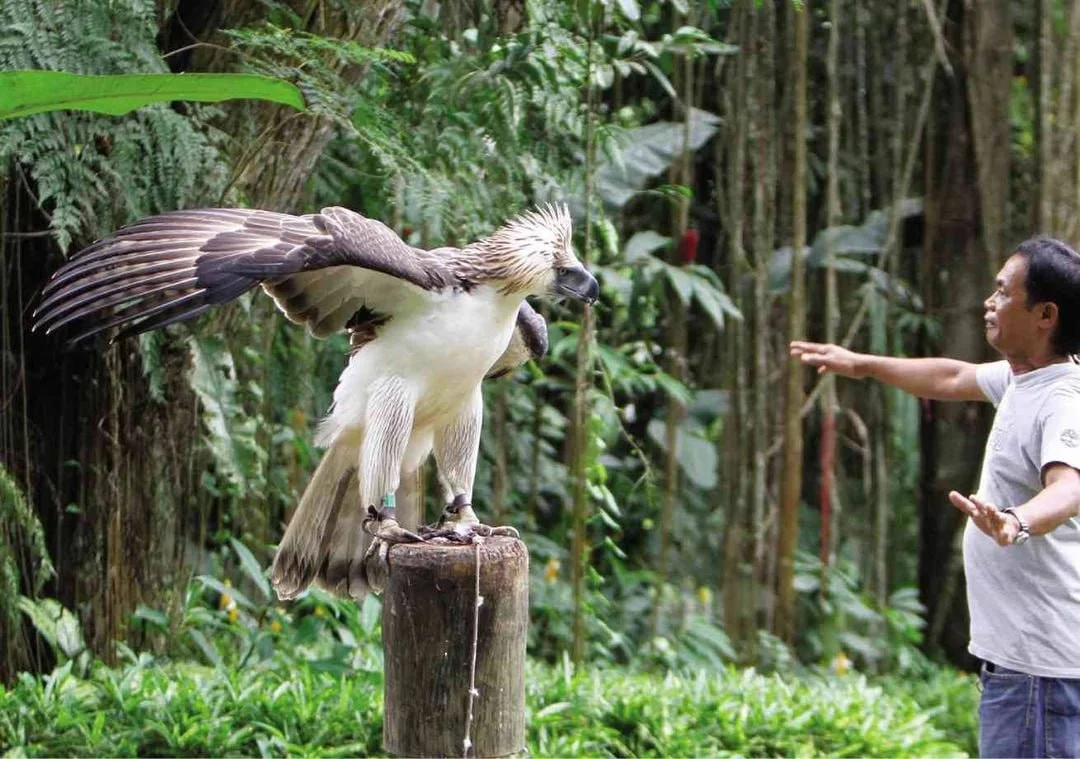
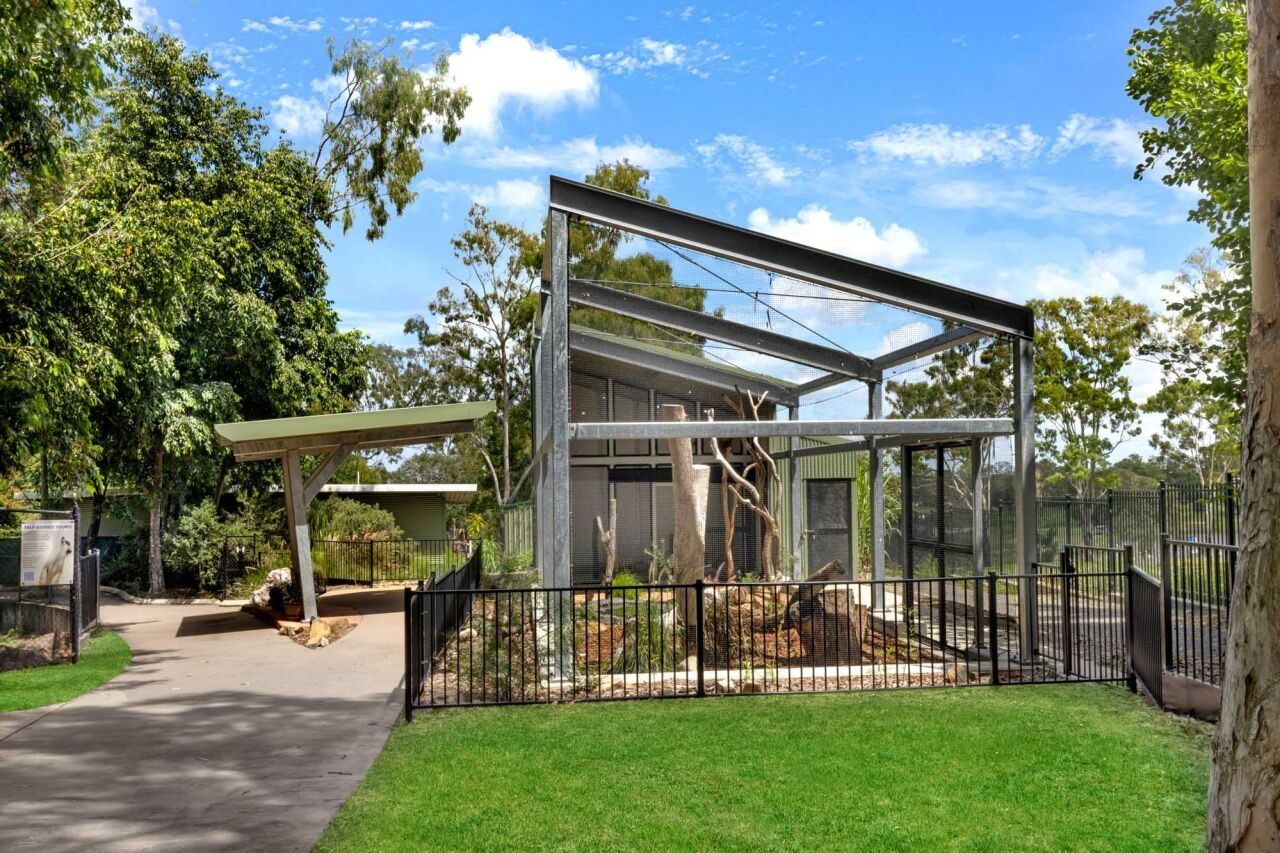
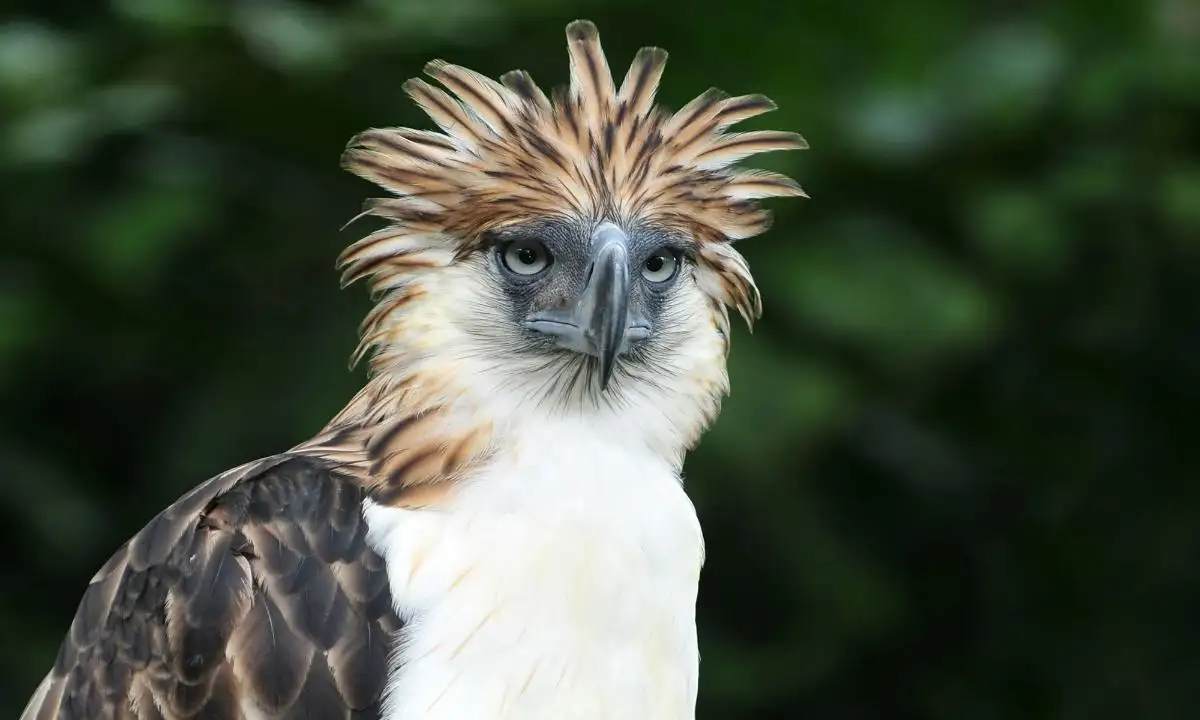
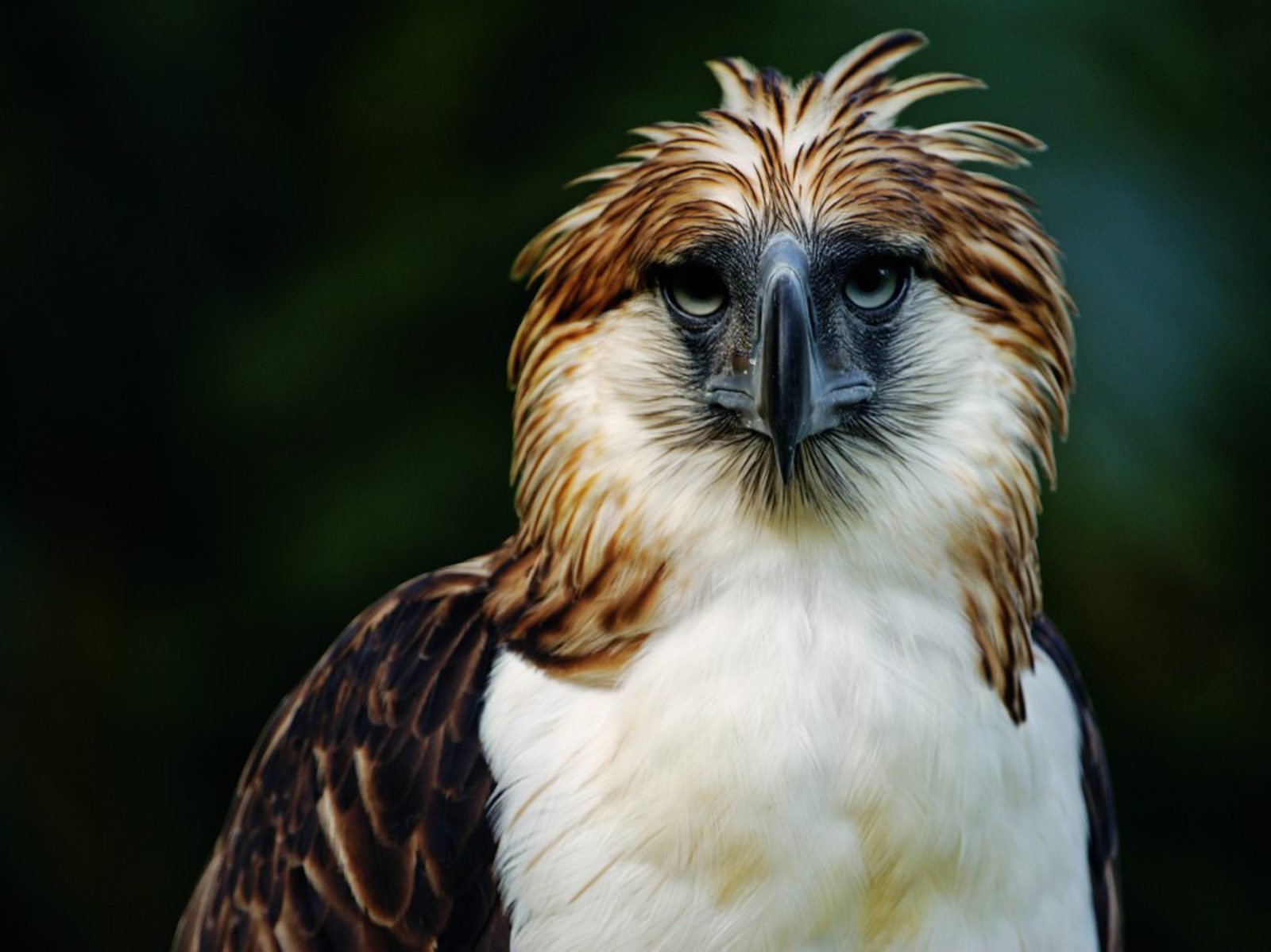
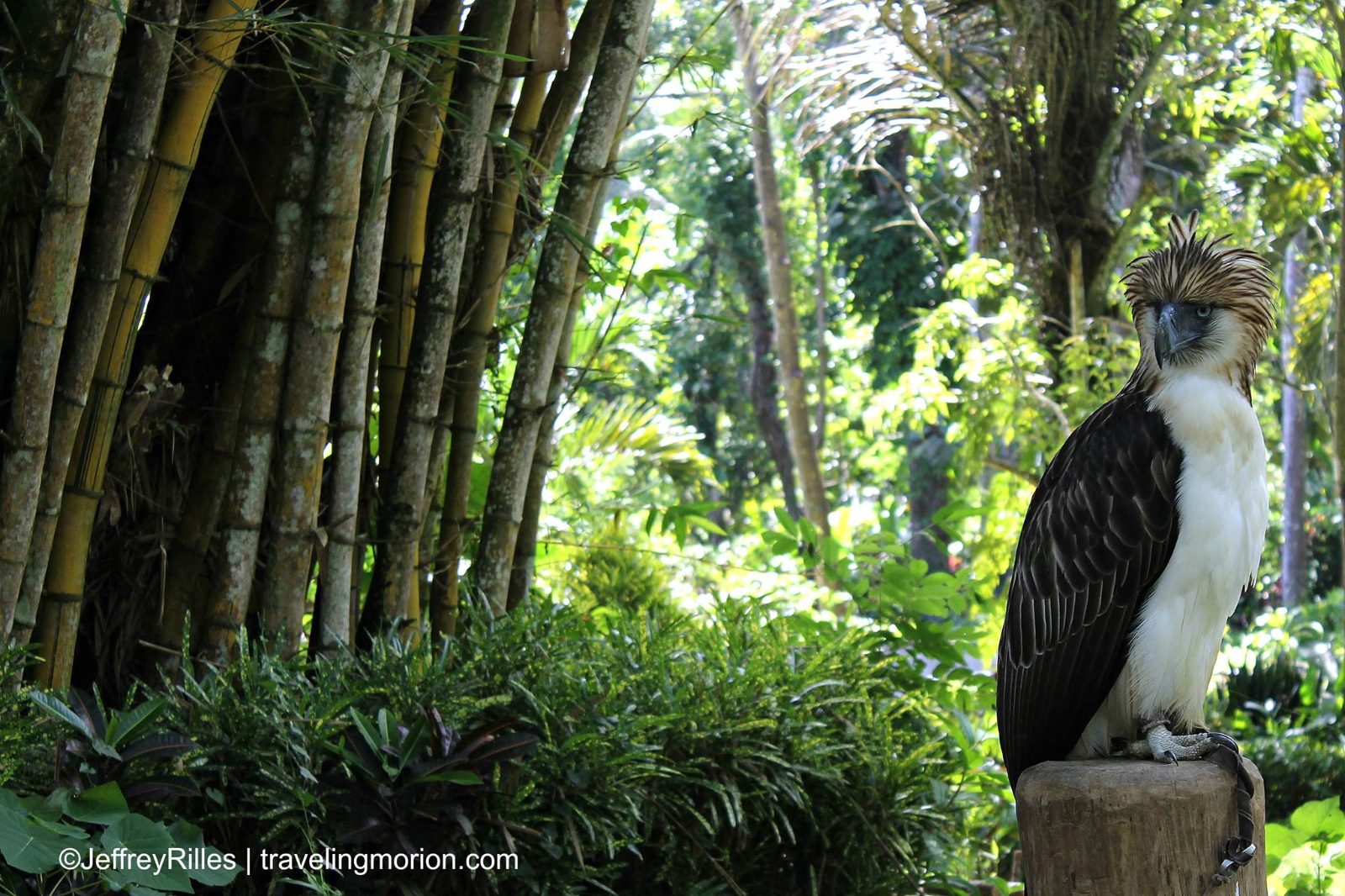
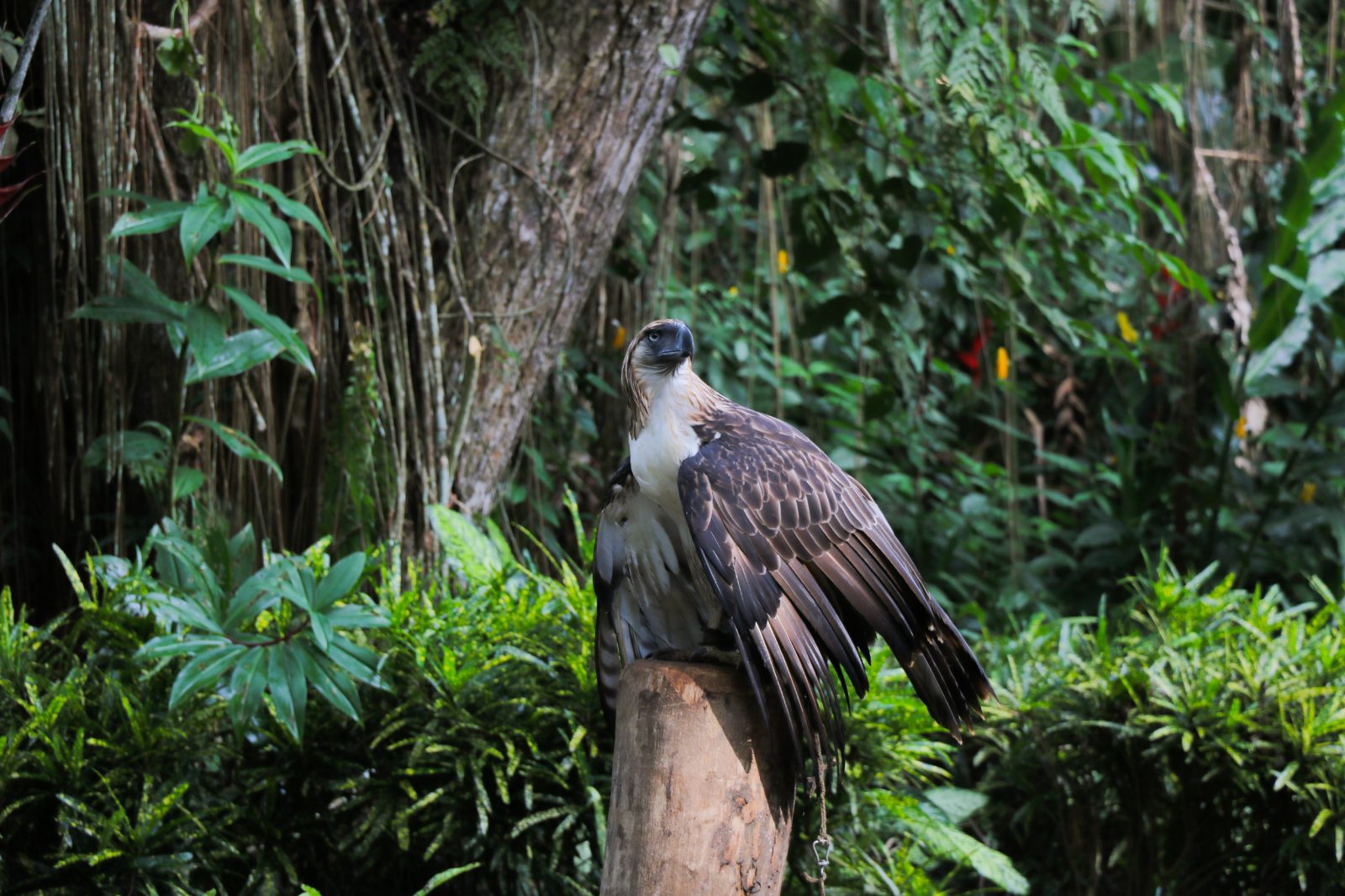
Spacious cages designed to simulate the natural rainforest habitat for the critically endangered birds.
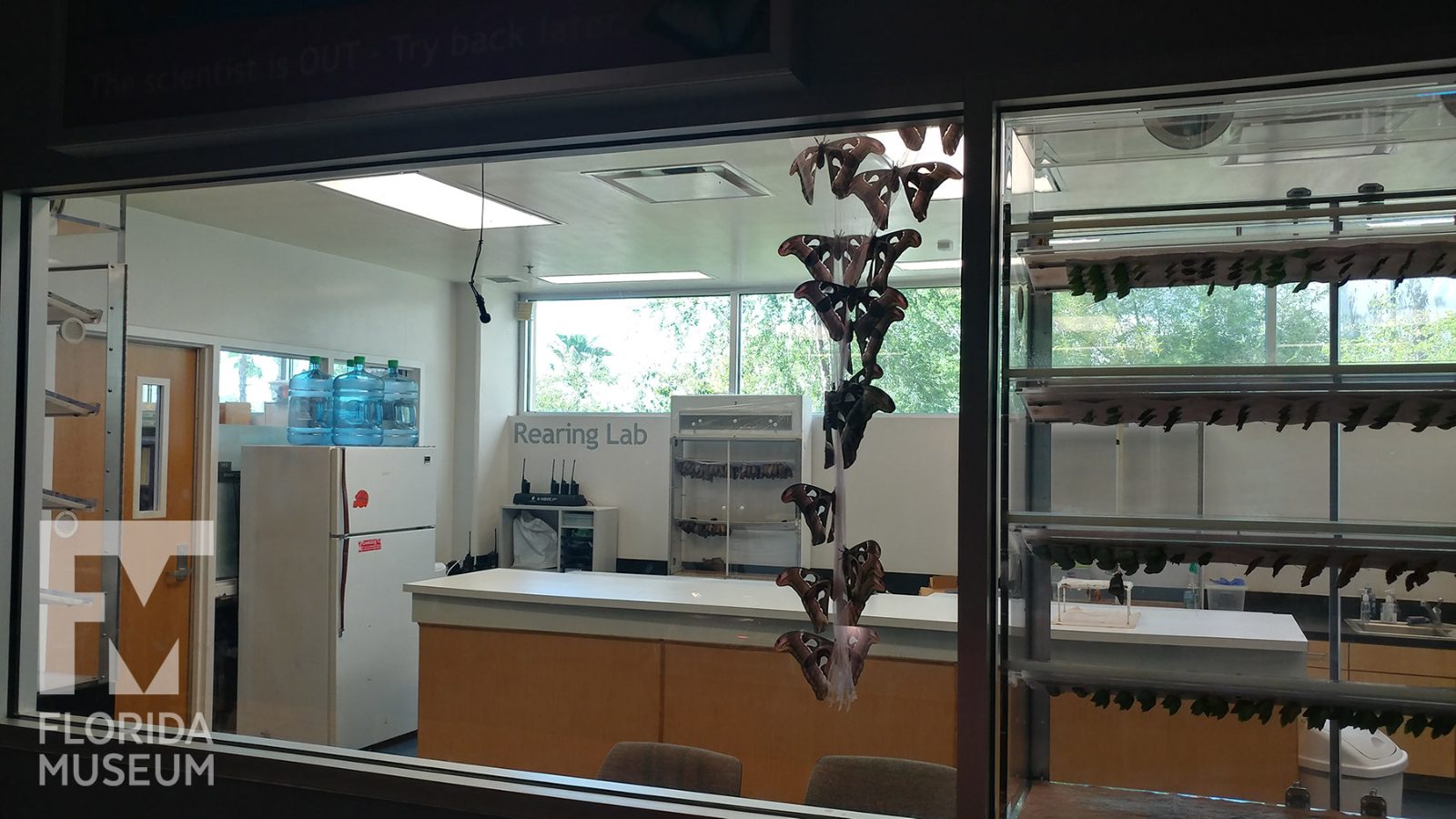
A specialized area dedicated to the conservation breeding of the Philippine Eagle and other raptors.
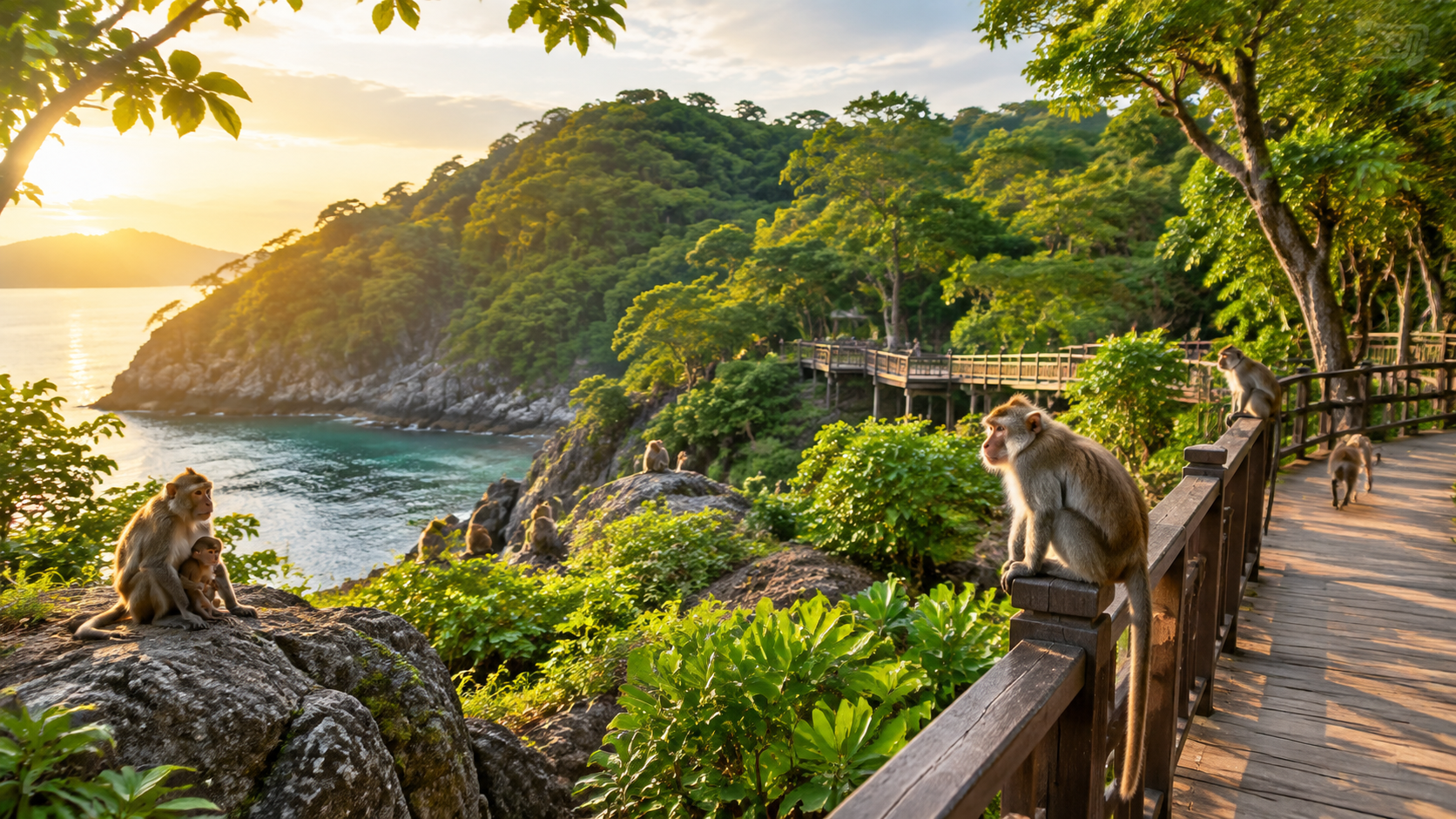
A forested zone housing long-tailed macaques and other endemic fauna observed from designated walkways.
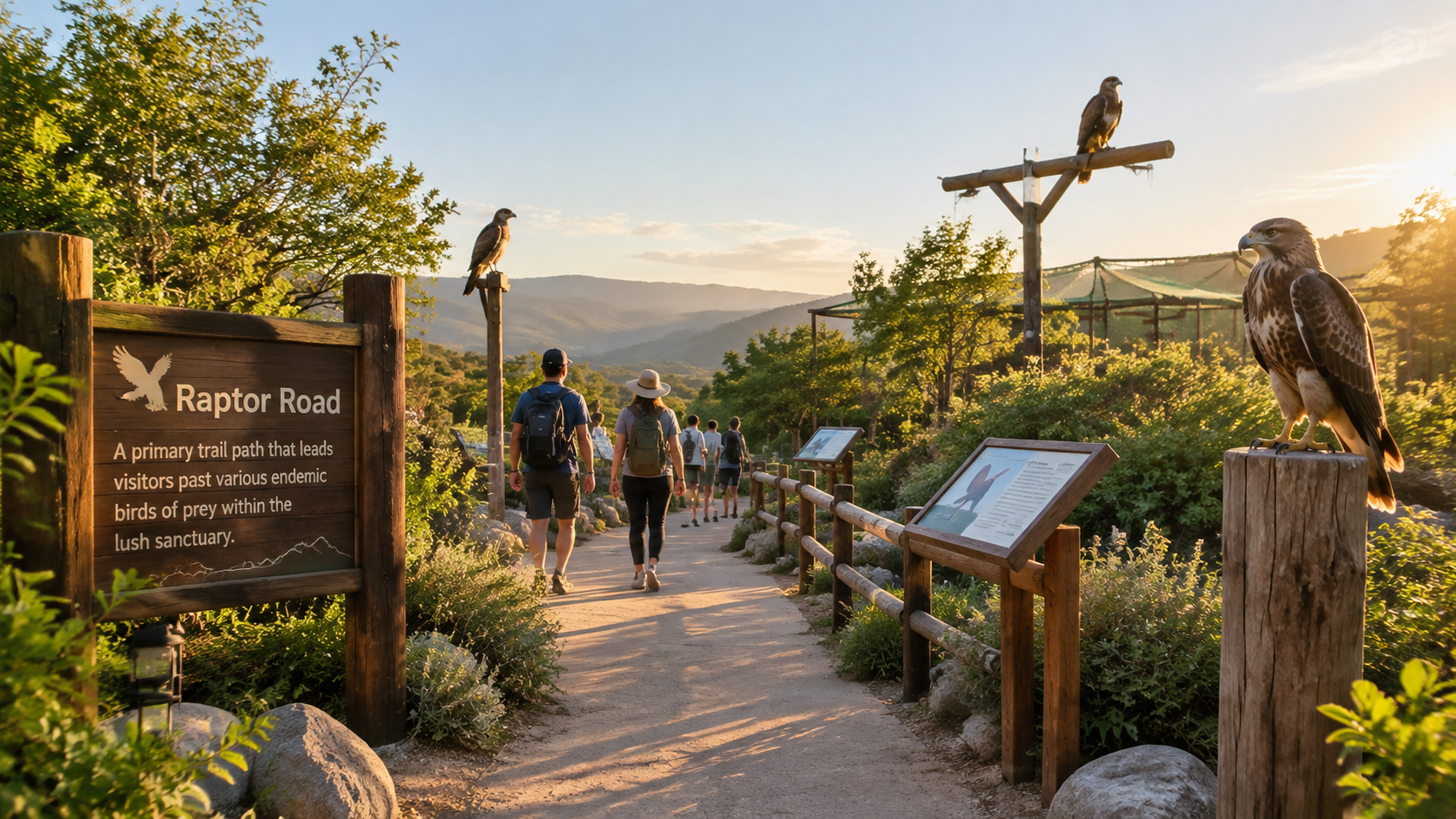
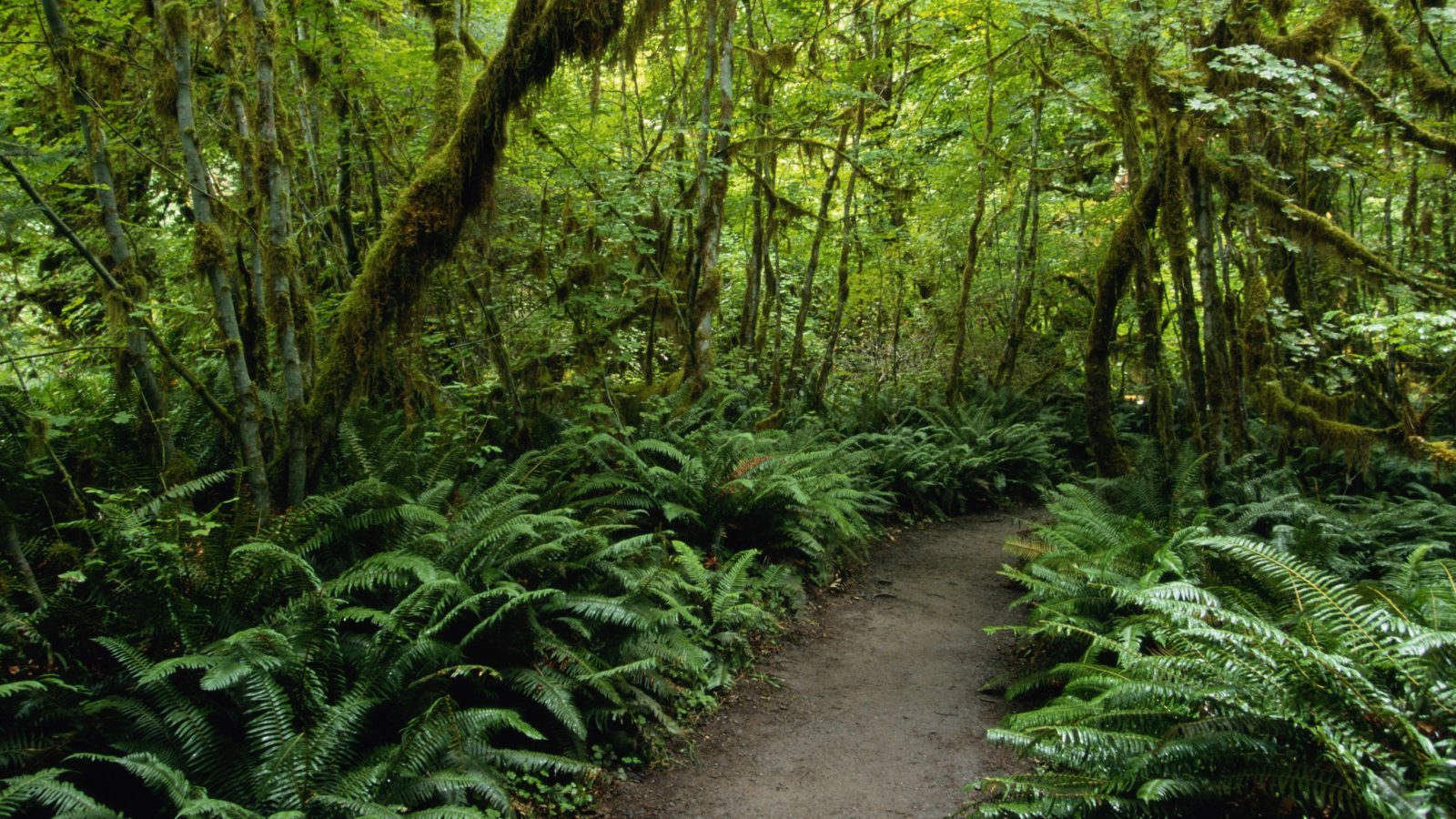
A primary trail path that leads visitors past various endemic birds of prey within the lush sanctuary.
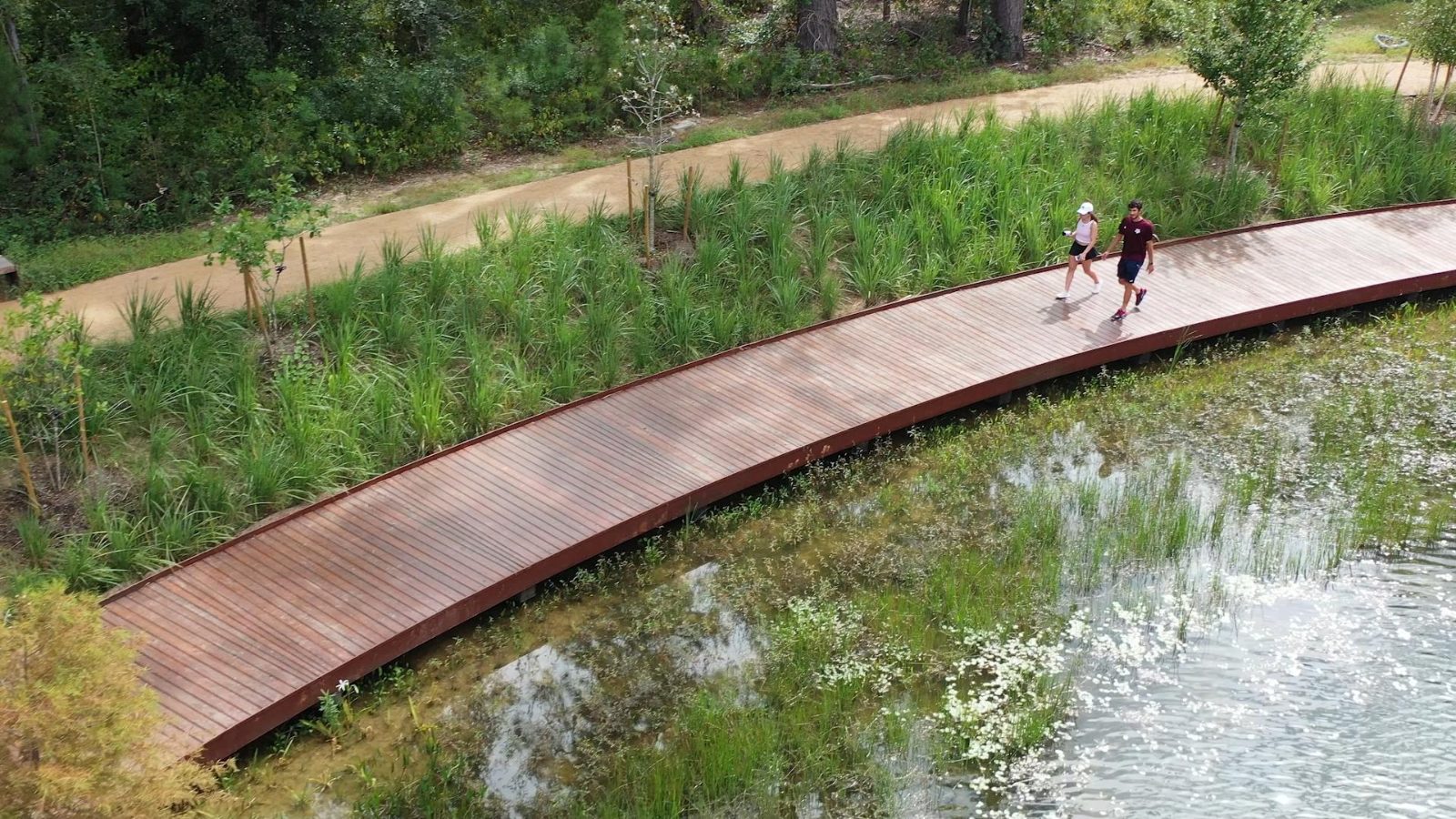
A serene walking path surrounded by native flora showcasing the biodiversity of the Mt. Apo foothills.
Every Philippine Eagle Center tour side-by-side — duration, what's included, how you redeem.
| Experience | Duration | Lunch | Skip-the-line | Guide | Small group | Free cancel. | Price | |
|---|---|---|---|---|---|---|---|---|
|
Guided Experience Most popular
Davao City Explorer with Philippine Eagle Center
|
8 hr | — | ✓ | ✓ | ✓ | ✓ | €138 | Book → |
|
Guided Experience
Philippine Eagle Sanctuary & Malagos Garden Day Tour
|
24 hr | ✓ | ✓ | ✓ | ✓ | ✓ | €126 | Book → |
|
Guided Experience
Philippine Eagle Center & Malagos Garden Resort Day Tour
|
8 hr | ✓ | ✓ | ✓ | ✓ | ✓ | $126 | Book → |
All prices from verified partners. Availability and exact terms confirmed at checkout.
Visitors often find they complement each other, as the Philippine eagle center offers focused wildlife conservation while Eden Nature Park provides expansive mountain recreation.
| Feature | Top pick Philippine Eagle Center | Eden Nature Park |
|---|---|---|
Primary Focus |
Wildlife conservation | |
Typical Duration |
1.5–2 hours | |
Activity Level |
Light walking | |
Educational Value |
High (endangered species) | |
Accessibility |
Paved paths | |
Core Vibe |
Quiet sanctuary | |
| See tickets → |
Verdict: Choose the Philippine eagle center tours if you prioritize environmental education, or visit Eden Nature Park for diverse recreational activities like hiking and fishing.
Choose your ticket, select your date, and reserve in under two minutes. Secure checkout handled by our verified partner.
Instant confirmation by email, with a mobile voucher you can save offline. No printing, no queuing at a collection desk.
Arrive at the entrance, show your voucher on your phone, and walk in. Most tickets include priority or skip-the-line access.
Practical details for Philippine Eagle Center tickets straight from our verified partners — hours, access, rules, and how to get there.
Wear comfortable clothing suitable for tropical weather and closed-toe footwear, as forest trails can become muddy.
Security protocols are in place to ensure the safety of the wildlife; visitors must follow designated paths and may be subject to bag checks.
Photography is permitted throughout the facility, provided the camera's flash is disabled to avoid disturbing the birds.
The grounds feature paved pathways winding through the rainforest, offering reasonable access for most visitors.
Mobile phones are permitted. Keep ringer off inside exhibition spaces.
The philippine eagle center is an educational destination suitable for all ages; parents are advised to supervise children closely near exhibits.
Consumption of food is not allowed near the bird enclosures or during demonstrations; please keep all snacks inside your bag.
Pets are not allowed, with the exception of service animals with appropriate documentation.
Last entry is typically 1 hour before closing. Check the specific ticket for timing.
Best time to go, insider tips, nearby landmarks, and the cancellation fine print — flip through to skim what matters to you.
Flexible, no hidden fees.
Reservations require a 50% down payment which is non-refundable. Please confirm your booking through the official foundation channels.
Fewer than 400 Philippine eagles survive in the wild. The Philippine Eagle Center in Malagos opened in 1992 as the world's first successful captive breeding facility for Pithecophaga jefferyi, a raptor so large its two-metre wingspan rivals that of the harpy eagle.
Established by the Philippine Eagle Foundation, the eight-hectare sanctuary sits in the Baguio District foothills, where elevated terrain and dense secondary forest mimic the bird's native dipterocarp habitat. The center has produced more than 30 chicks since its founding, a genetic lifeline for a species driven to near-extinction by deforestation and hunting across Luzon, Samar, Leyte, and Mindanao.
The facility maintains 36 flight aviaries, each designed to accommodate the eagle's need for vertical space and perching height. Visitors walk shaded concrete paths that wind past enclosures housing breeding pairs, orphaned juveniles, and retired territorial males too aggressive for reintroduction. Interpretive panels detail the eagle's 60-day incubation period, its monogamous pair bonds, and its role as an apex predator controlling populations of flying lemurs and palm civets. A small research library and taxidermy exhibit occupy the main building, where biologists monitor nesting behavior via closed-circuit cameras. The center's most famous resident, Pag-asa—Tagalog for hope—hatched in 1992 and lived 28 years, becoming the face of Philippine avian conservation.
Philippine eagle center tours support field programs that protect 40,000 hectares of critical habitat on Mindanao. Revenue from the 150 PHP entrance fee funds radio telemetry tracking of wild eagles and anti-poaching patrols in the Kitanglad and Apo ranges. The foundation's adoption program pairs corporate sponsors with individual birds, underwriting veterinary care and habitat enrichment. Morning visits offer the best chance to observe feeding routines—handlers deliver whole chickens and monitor intake to prevent obesity in captive raptors. The site's elevation, 300 metres above Davao's urban core, keeps temperatures five degrees cooler than the coast, a microclimate that supports the mossy undergrowth and strangler figs typical of montane rainforest.
Conservationists credit the center with shifting public perception of the eagle from pest to national symbol. The species appears on the 500-peso note, and its Cebuano name, haribon—king bird—reflects its cultural weight. Yet habitat loss continues: illegal logging claims 2,000 hectares of old-growth forest annually, fragmenting territories and forcing eagles into smaller, less viable ranges. The foundation's captive population now serves as both genetic reservoir and educational tool, a living argument for forest preservation framed in the stark reality of dwindling wild numbers.

"Fewer than 400 Philippine eagles survive in the wild."
A step-by-step walkthrough of Philippine Eagle Center tickets — what you'll see, how long each stage takes, and the details that matter.
You arrive at the Malagos gate by mid-morning, when the conservation fee booth opens and the forest air still carries a pre-noon chill. A paved loop trail descends into the property, past a weathered mural depicting the eagle's hunting posture—wings flared, talons extended.
The first aviary houses a juvenile male, his crest feathers not yet fully crowned, pacing a horizontal branch fifteen metres long. You pause at the viewing rail; a volunteer explains the bird's six-kilogram weight, its seven-year maturation cycle, the fact that pairs rear only one chick every two years.
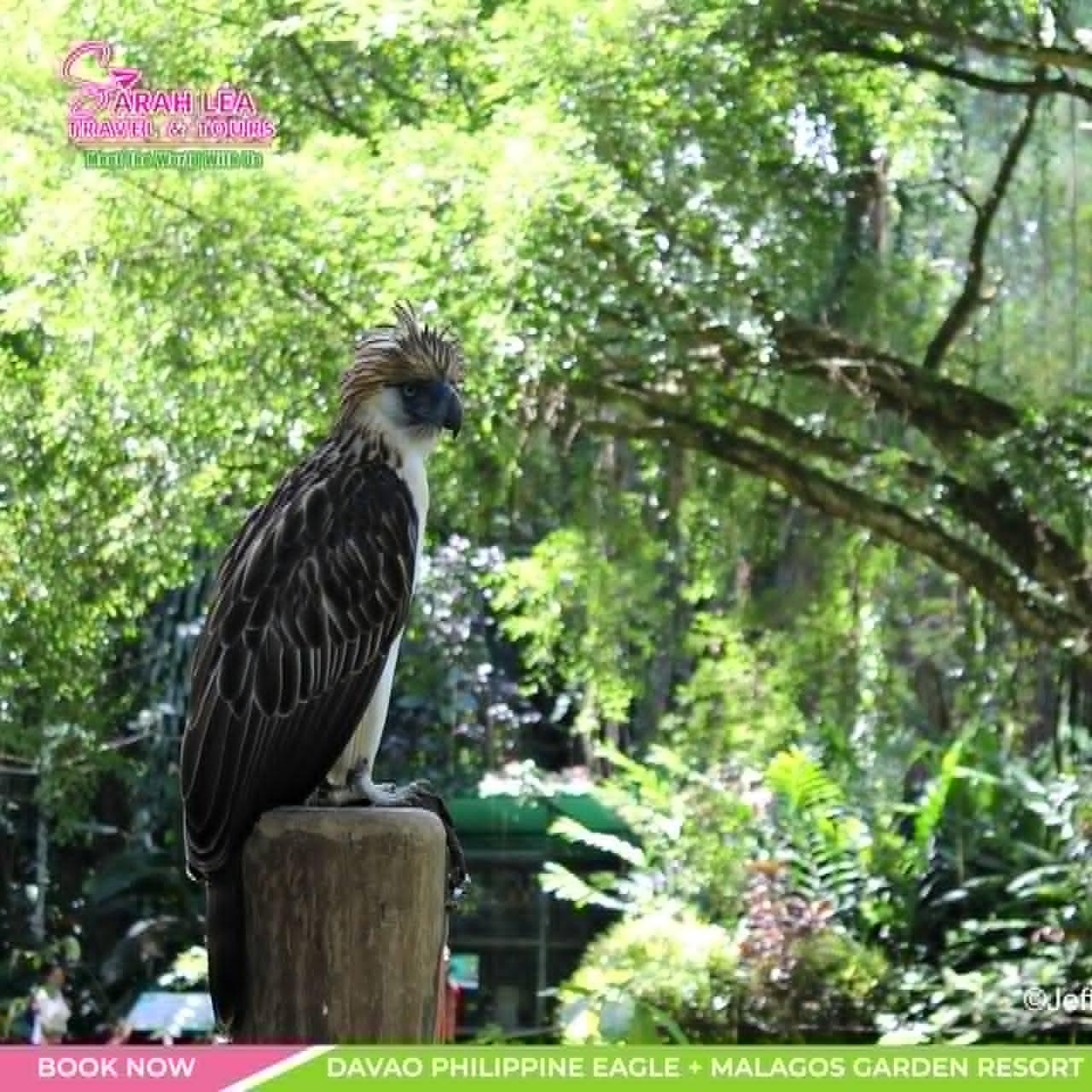
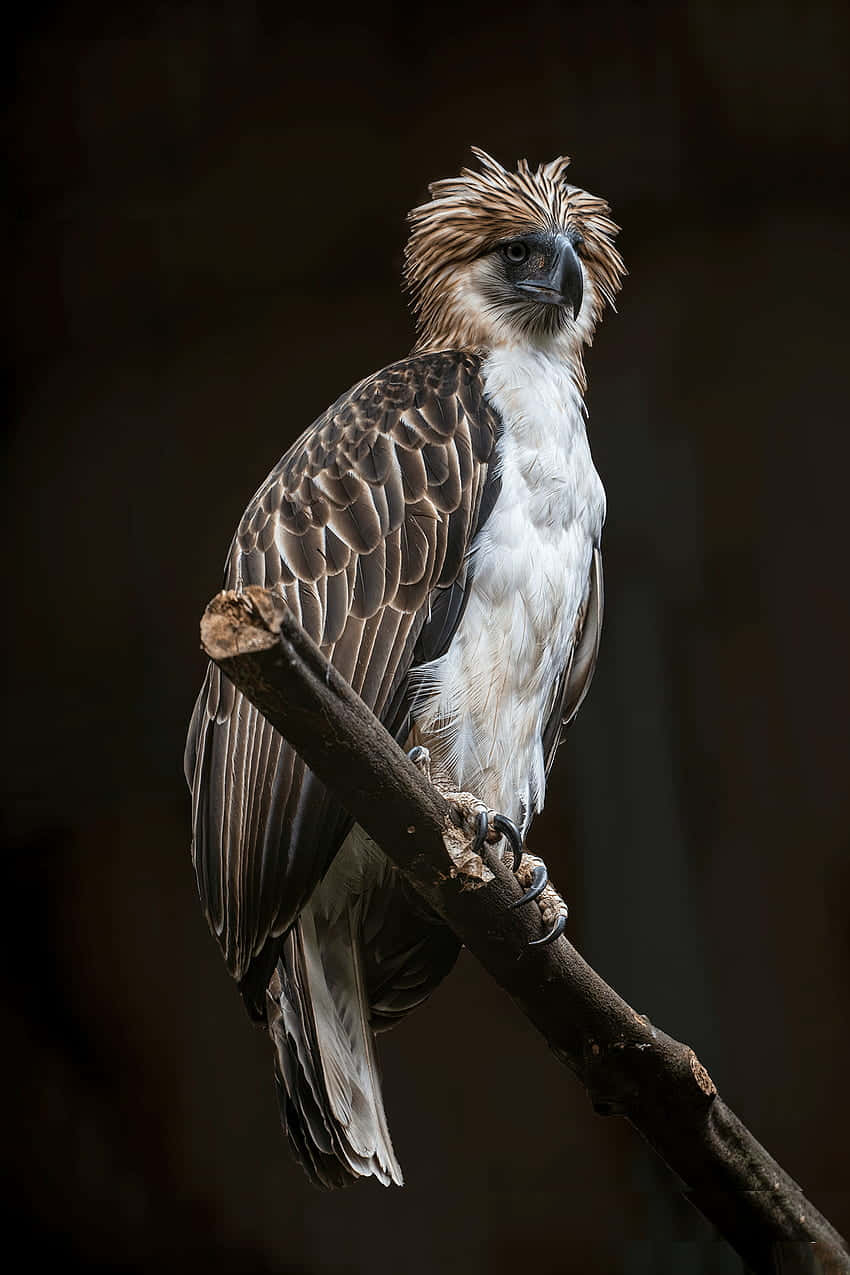
Further along, the path forks toward the breeding complex, where mesh tunnels shield nesting pairs from disturbance. You glimpse an adult through the screen—pale gray plumage, a hooked blue beak, yellow irises fixed on the treeline beyond. The center prohibits flash photography; the silence feels deliberate, a respect for the bird's stress thresholds. Near the research building, a small theater screens footage of wild eagles hunting in the Kitanglad range, their dives through canopy gaps clocked at 80 kilometers per hour.
You exit past the gift shop, where adoption certificates and field-guide prints fund telemetry collars. The entire visit spans 90 minutes, but the image persists: a two-metre raptor, wings tucked, watching you with the same stillness it uses to ambush prey in a forest that shrinks each year.
The philippine eagle center is open daily from 08:00–17:00.
The conservation fee is 150 PHP per person.
The best arrival window is 08:00–11:00 when eagles are most active and the weather is cooler.
Yes, it is a family-friendly destination, though children must be supervised at all times.
Food is not allowed in the bird viewing areas; please keep snacks secured in your bag.
Yes, guided tours are available and can be coordinated to enhance your visit to the philippine eagle center.
You can reach the philippine eagle center via taxi or bus from Davao City, approximately one hour away.
Bring insect repellent, water, and comfortable walking shoes for the forest trails.
Photography is allowed, but you must keep the camera's flash disabled at all times.